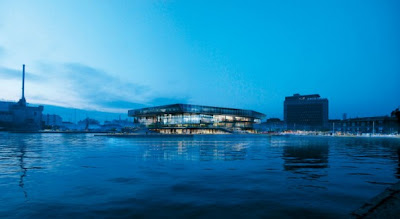

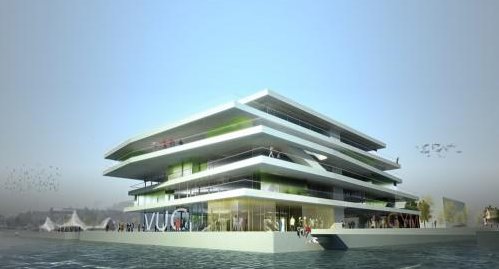
"The cantilevering roof plate is a dominant component of the architectural expression; during the day and especially in the evening, when the transparent façade allows the building to glow from the inside."

 Posts
All Comments
Posts
All Comments
"The cantilevering roof plate is a dominant component of the architectural expression; during the day and especially in the evening, when the transparent façade allows the building to glow from the inside."
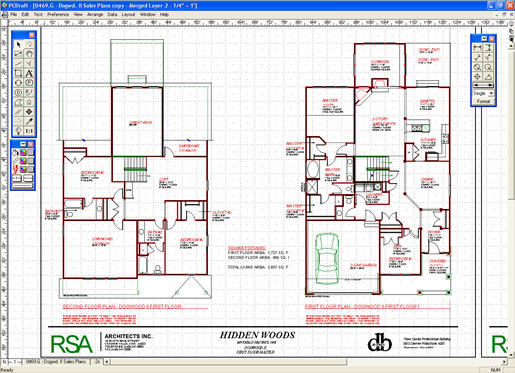
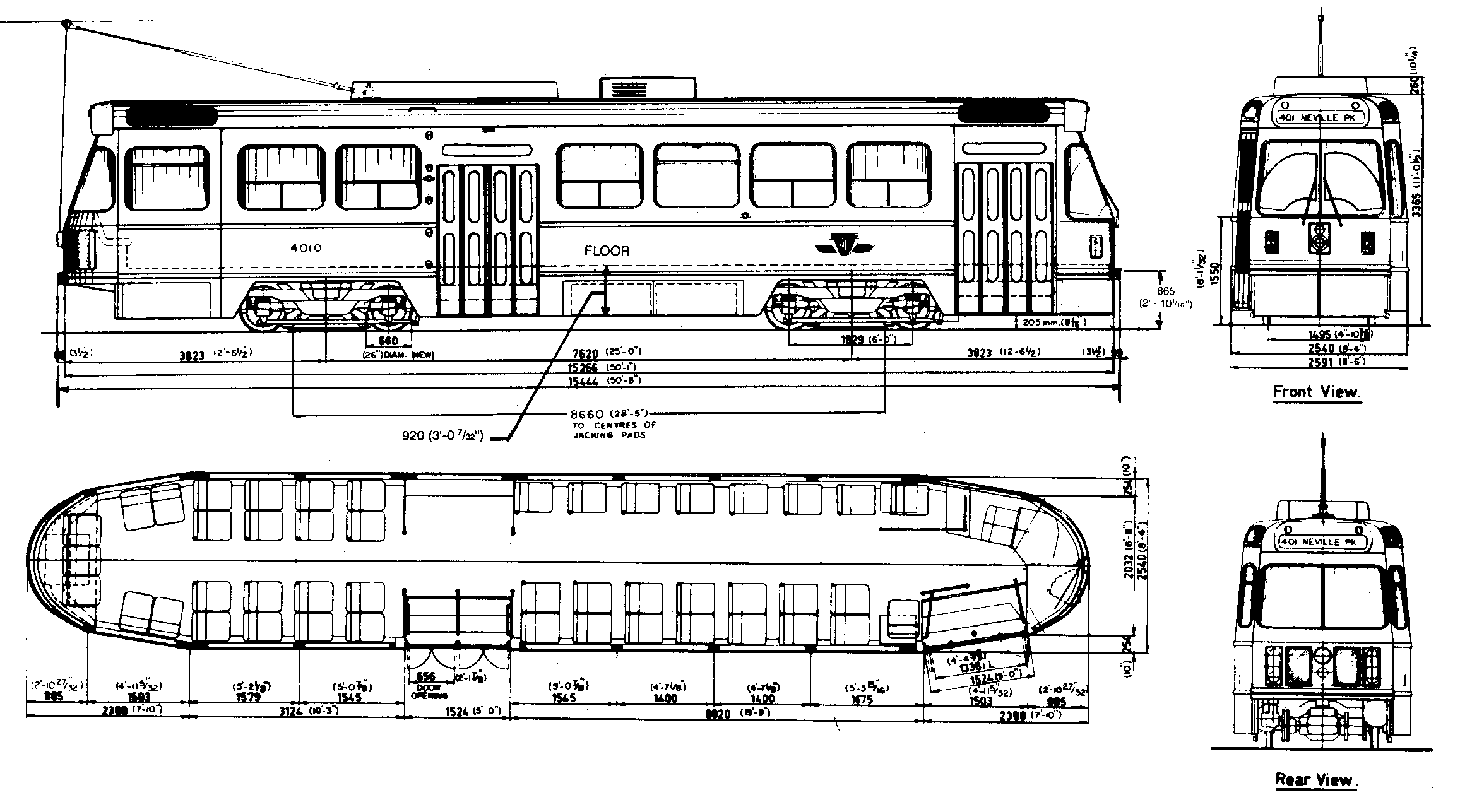
Architectures are using this technique for various purposes. Architectural drawing can be used in various type of buildings construction like:
o High Rise Commercial Buildings
o High Rise Residential Buildings
o Fly over and small bridges construction
o Highly Equipped Hospitals
o Hotels and Restaurants
o Malls, auditorium and multiplex theaters
The latest way of it is to create 3D view of any architecture. By generating 3D view architects or client can view the model by 360 degree. This is the most important step so one should be careful about that. It is not an easy job as there are some complex procedures in it. Architectures are following some basic rules for architectural drawing. So People need best experts for drawing and drafting who are aware with drawing rules. Before hiring any expert for architectural drawing or drafting you must have to check his ability as described below:
o Experience of the person hired for architectural drawing
o Able to show you internal and external drawing of architecture
o Must have knowledge about detailed drawings and documentation
o Can access computer while generating architectural design
Architectural design is an imagination of art to generate the attractive design for your model. Architectural drawing process involves drawing, sketching and documentation. So due to this kind of importance architectural design has become heart of civil engineering.

Britany Bell, an architecture student in University of Victoria, New Zeland, has made her basic concepts of design. In this design concept she create seed concept may appear in her next design.

Each year, more and more types of plants that become extinct or endangered. The New Zealand government has proposed the idea to create the archives to seed the Pacific home to the original plant and preserve them for future generations.


An architectural career is both, demanding and challenging and involves a creative as well as a technical education. To be a top, professional architect one needs to learn the skills, techniques and computer aided software by attaining an education of the highest quality. Listed below are some of the best architectural school in America today.
Westwood College
Westwood College of Technology is committed to ensuring success in the career that you pursue. The Computer-Aided Design Program (CAD) is one of the best in the country and will help you to acquire the skills needed for a profitable architectural career. One of the top architectural schools, it boasts of rewarding hands-on-experience with training of the recently released AutoCad, combined with interesting lecture sessions and a rich laboratory environment. The programs offered are Associate CAD and Architectural Drafting.
Lincoln Tech
Lincoln Tech's Architectural Drafting Design and CAD Technology program is one of the best in the country where you are taught the essentials needed to function as a draftsperson. It emphasizes on developing specific drafting skills and helps you to build a solid foundation on which to begin your architectural drafting career. The Diploma program focuses on a full range of technologies to prepare you to work as an entry-level drafting technician. With hands-on traditional table techniques along with up-to-date computer aided drafting (CAD) techniques for designing residential and commercial buildings, you will soon not only be designing but will see your dreams to fruition with an education at Lincoln Tech. The programs offered at this top architectural school are...
Associate Degree in Architectural Drafting Design & CAD technology
Diploma Program in Architectural Drafting Design & CAD technology
NewSchool of Architecture & Design
The NewSchool of Architecture & Design located in San Diego, California offers a holistic view of teaching and will make you change the way you view the world. NewSchool known as one of the most innovative and best architectural schools in the country strives to meet the ever evolving dynamics of the architecture profession by providing an instructional program that explores a student's artistic passion and transforms it into professional excellence. NewSchool is accredited by the National Architectural Accrediting Board (NAAB) as well as the Accrediting Council for Independent Colleges and Schools (ACICS) and grants Bachelors and Masters degrees. The programs offered are
Bachelor of Architecture
Bachelor of Arts in Architecture
Executive Master
Master of Architecture
Master of Science in Architecture
Pennsylvania Institute of Technology
There are two main programs offered at the Pennsylvania Institute of Technology.
Associate - Architectural/Civil Engineering - teaches the students the basics of building design and construction as well as the unique and complex elements that are a part of this field. The courses offered are Architecture Design, Structural Design and Construction Technology with an emphasis on Computer-Aided Design, materials and methods of construction and building codes. While Mathematics, physical and applied sciences, project management, and basic communication skills are fundamental elements in the program, advanced courses present opportunities to solve complex technical problems.
The degree program in Computer-Aided Design Technology (CAD) was developed especially for students planning to start their careers with CAD software. This program provides comprehensive skills and knowledge necessary for the development of accurate computer-aided graphics, design and drafting applications. It also focuses on the use of several CAD applications such as AutoCAD, Architectural Desktop and Microstation coupled with graphic theory and the related fundamentals of technical design.
Cornell University
The architecture department at Cornell is regarded as one of the most prestigious in the world today and offers some excellent programs in undergraduate and masters of architecture. Cornell University has one of the oldest and most respected schools of architecture in the United States. With a tradition of more than 130 years, they not only strive to offer the best architectural education available but also continue to evolve, to meet current and future challenges.
Architectural 3D Rendering becomes vital process to understand different forms in to visual manners. Conceptual phases like interior, exterior, floor plan and interactive rendering can be evaluated by 3D rendering.
Visualization is the key of success in today's architectural world. Architectural 3D rendering is the most important technique used for visualization. 3D rendering is used to convert different forms in to a visual manner and that allow users to view future building on computer. Basically in architectural rendering you can view all moving objects on computer so one can easily change the design or can solve the error. It plays integral role to understand challenging and complex architectural data.
It is used in various phases like interior design view, exterior design view, 3D floor plan design and interactive rendering. Architects are making 3D models for better interior views and that allow user to select proper lighting, textures, wall paints and furniture arrangements. For conceptual exterior design of building like shadow, parking and lightings, the 3D exterior models are used.
Flooring design must be selected properly as once it set up in building then it will make high cost for changing. So to avoid this problem, industry has developed 3D floor plan design. In 3D floor plan model user can easily view the selected design from all angles and can change it accordingly. So architectural rendering can apply in many ways and it allows applying your ideas for various purposes. So for those grateful advantages it becomes significant process for architect industry.
Rendering plays crucial role in the development of architectural design and pre visualization. For architects, the main purpose is to show how the future building or interior space will look. So rendering is become vital process in selling of projects to buyers or designers. This technique presents accurate product to architects and designers.
Here some advantages of architectural 3D rendering are described:
• It provides multiple solutions from resolving design issues
• Provides pre visualization of new architectural designs
• Flythrough and Walkthrough animated presentation
• Architectural plans from design to documentation
Various Indian based firms are offering low cost rendering services so apart from this it become easy to outsource. By outsourcing rendering projects one can easily grown up business and save cost and precious time.


The Dubai International Financial Center (DIFC) Central Tower is a powerful, tectonic statement tailored for Duabi, one of the world’s most dynamic and enticing cities. At 570 meters, the Central Tower is the tallest in the DIFC—and one of the tallest in the world—and its design is one of unparalleled elegance and strength. The Central Tower comprises four climbing, red-glazed towers that rise from a powerful, pedestrian-friendly plinth to form a “voided” pyramid above a plaza. In the plaza, visitors will be able to gather, shop, meander and simply gaze up at the magnificence of the ascending towers that create the base for the building and contain a spectacular undercarriage where they meet. A world-class aquarium and educational facility, as well as restaurants and lounges, are contained in the undercarriage in the form of a hemispherical glass structure visible from the plaza and its surroundings, creating an architectural spectacle of iconic proportions.
The design of the four climbing towers was inspired by the graphical interfaces of stock exchanges and the progressive movement of valuations and commodities which, in the Gulf Region, is characterized by unparalleled growth. The DIFC is the center of such activity in the region and has been in need for an emblematic piece of architecture to represent its dynamic character. The poetry and majesty of the design for the Central Tower speaks to the global aspirations that have made Dubai such an important international locale in the 21st century.


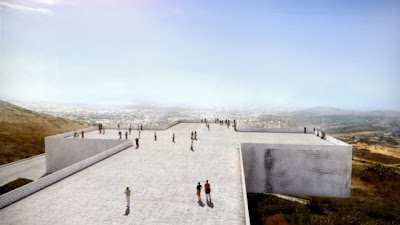
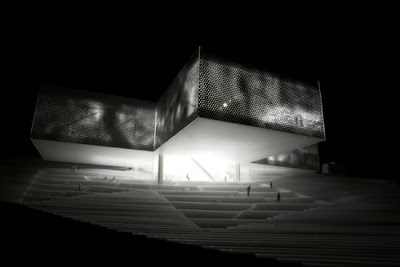
"Understanding that contemporary art spaces pretend to be more important than the art they contain, our proposal arises from the scheme of requirements previously studied by our clients, assuring maximum functionality in each area while focusing on the development of art projects. By enhancing the program and understanding the topography, a balance between form, function and visual impact for this important space was created. Once the functional part was improved, we could give attention to details that make the space not only a culture enclosure, but also a building that understands its surroundings to distinguish itself and transform from a simple form to a powerful symbol, controversial, but ideal to lodge this new space."



.jpg)